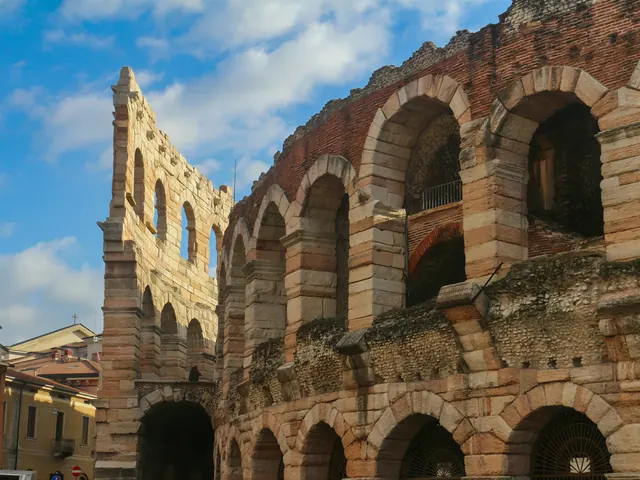
The Arena of Verona: the stone arches of the Roman amphitheatre and the “Ala”, under a sky of white clouds
The Trentin family · six restaurants in the heart of Verona

Al Centro Verona And He saw that it was good

Discover
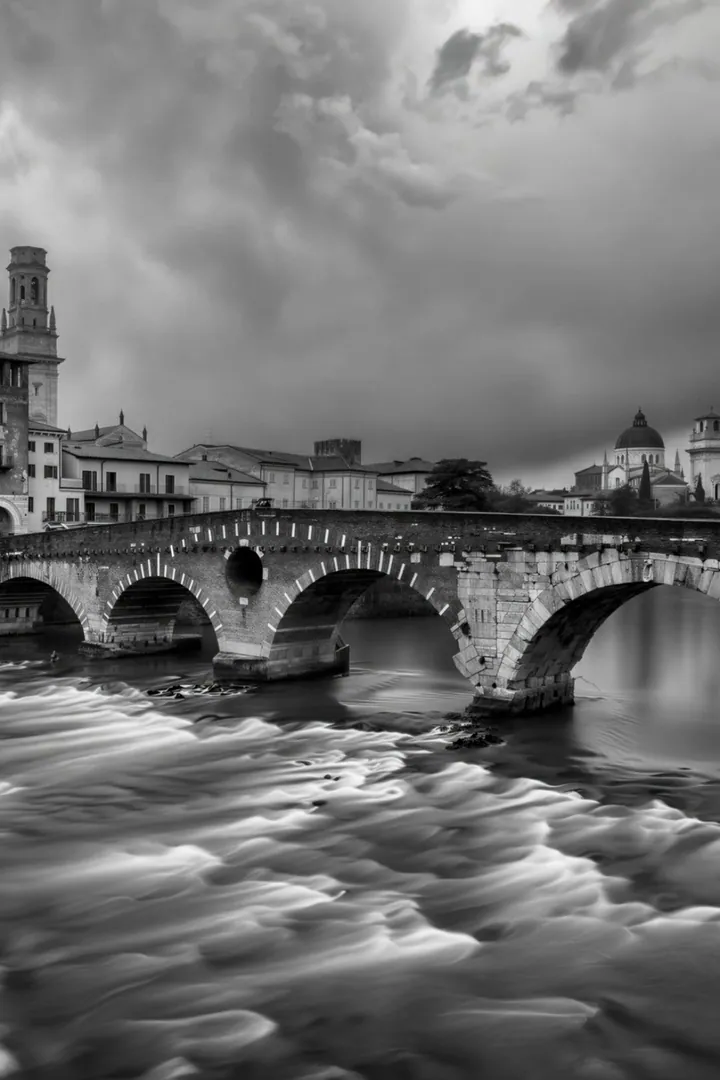
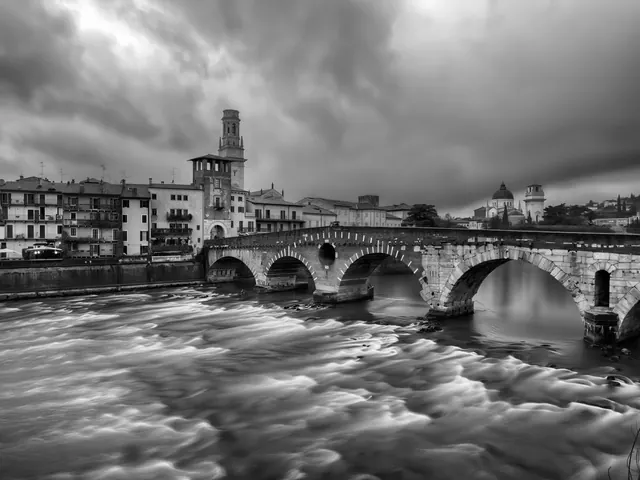
Ponte Pietra, Verona's Roman bridge, in black and white: the rushing Adige beneath the arches and the old town under a stormy sky

Al Centro Verona: the six restaurants of the Trentin family from the Arena to Piazza delle Erbe, from Castelvecchio to the vineyards of Valpolicella

Six restaurants, six characters, one family. From the milestone of the Punto Rosa to the courtyard of La Piazzetta, from the vineyards of La Vecchia Rama to the square of Il Mastino, from the hospitality of the Locanda to the light of L'Angolo di Cavour: Al Centro Verona brings them together in a single work, where the history of the Veneti and the Scaligeri is told at the table.

Through which door will you enter the history of Verona?

✦ Six restaurants · one family · more than 19,000 reviews on Google and Tripadvisor ✦

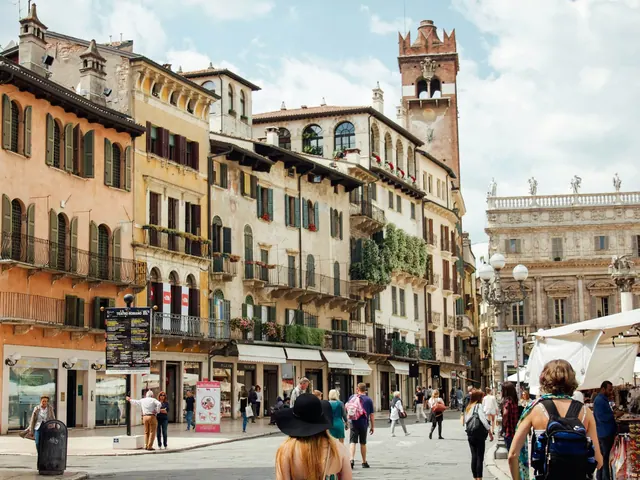
Piazza delle Erbe, the ancient Roman forum of Verona, with its palaces, towers and market

In principio

In the beginning there was a square, and around the square a city. Two thousand years later, Verona still meets at the table.

Opus Magnificat · the six restaurants

Six days, six restaurants.
The seventh is the union.

Lapis • Forum • Radix • Memoria • Hospitium • Lux

In the story of creation, at the end of each day “He saw that it was good”. That is how our restaurants were born: one at a time, each with its own stone, its own story and its own music. On the seventh day we look at them together, and that union is called Al Centro Verona.

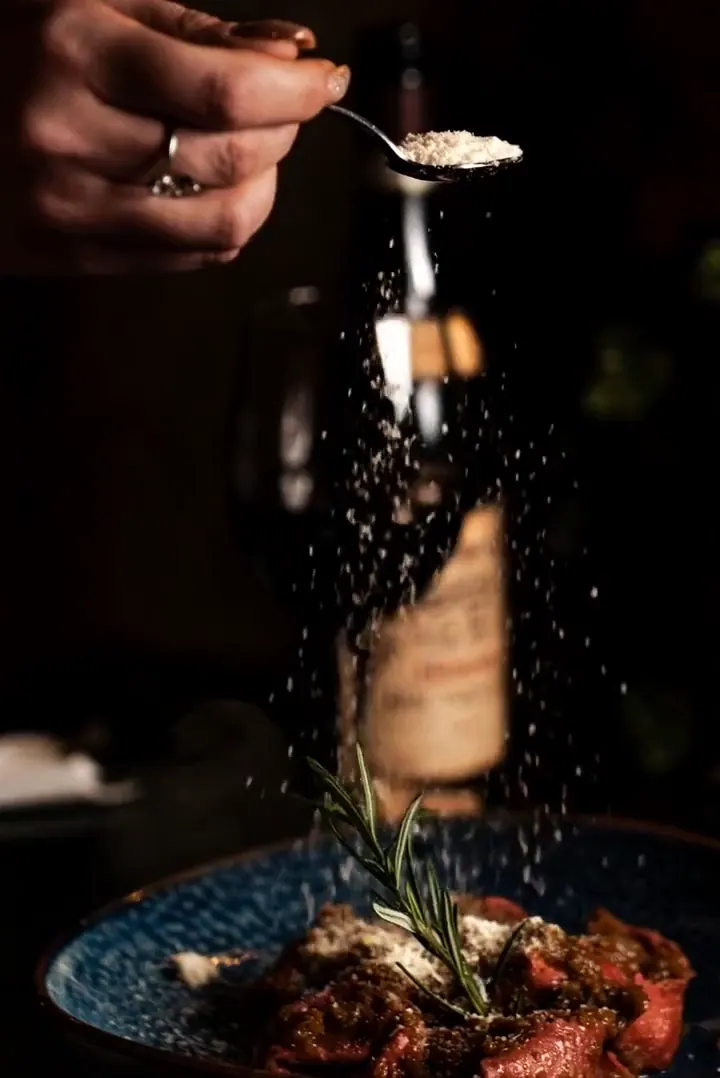
The finishing touch on a house dish – Hosteria il Punto Rosa, Verona

Dies I·Lapis

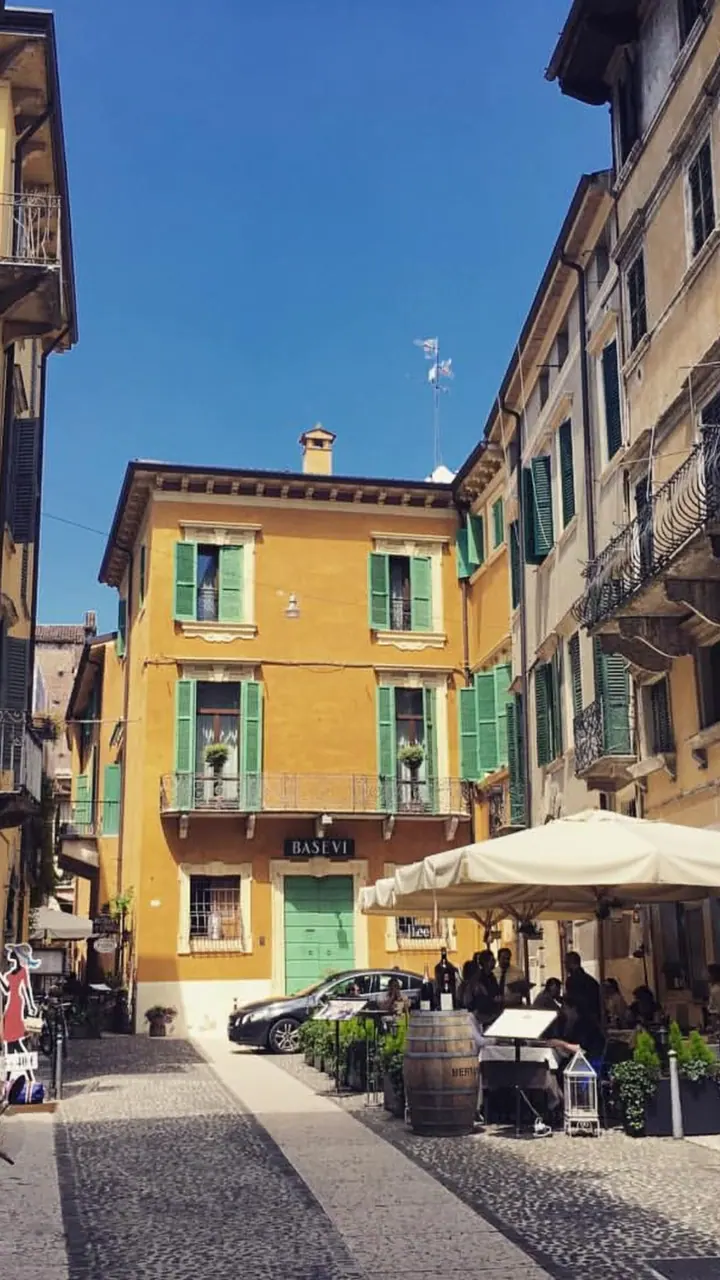
Hosteria il Punto Rosa

The milestone of Verona

In Via Fratta, between the Arena and Castelvecchio, a true hosteria in the heart of the historic centre, recognised by the Accademia Italiana della Cucina: typical Veronese cooking served as if at home, among old walls and new smiles.

Domus There are corners of Verona that feel like home.

Et vidit quod esset bonum

The courtyard of San Giovanni in Foro with La Piazzetta's tables under the umbrellas – Verona

Dies II·Forum

La Piazzetta

The hidden courtyard in the heart of Verona

In Corte San Giovanni in Foro, on the line of the ancient Via Postumia and a few steps from the Roman forum: an osteria and wine bar tucked away between Corso Porta Borsari and Piazza delle Erbe, with more than a hundred labels under the brick vaults.

Forum Two thousand years ago, a few steps from here, stood the forum: the place where Verona met.

Et vidit quod esset bonum

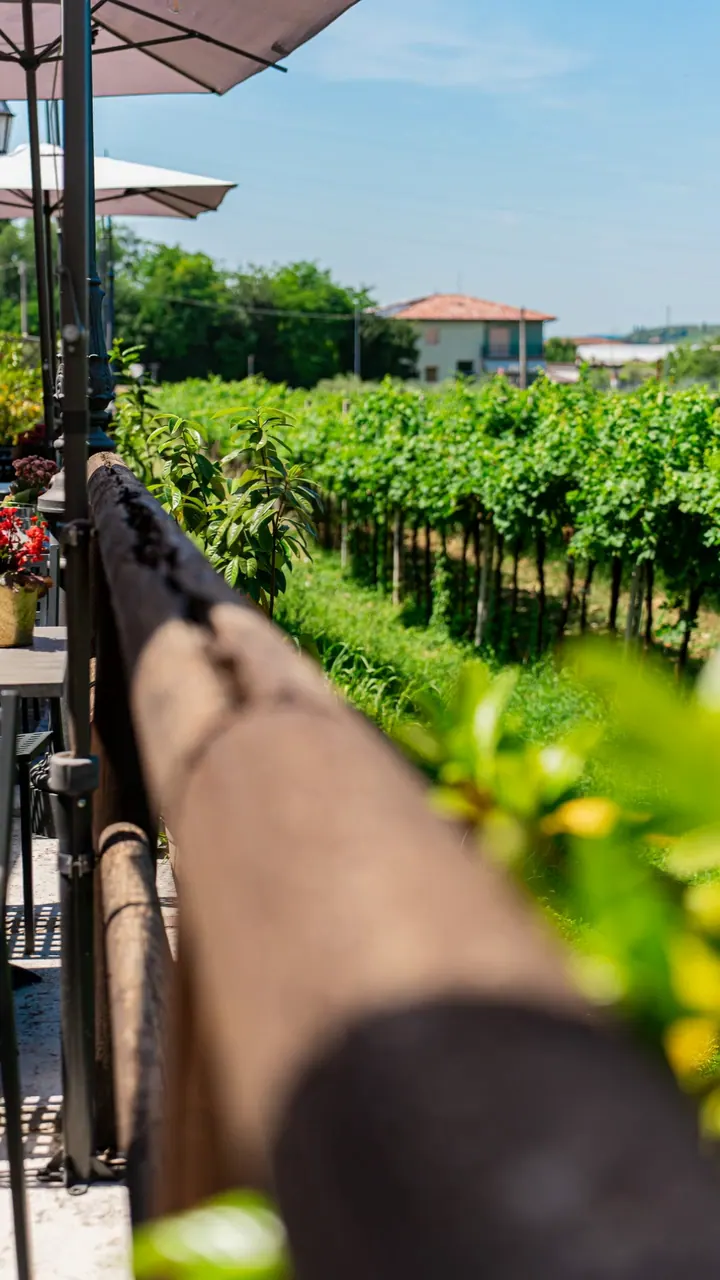
La Vecchia Rama's veranda overlooking the vineyards of Negrar, in Valpolicella

Dies III·Radix

La Vecchia Rama

Where Valpolicella puts down roots

In San Peretto, on the hills of Negrar, where Amarone was born in 1936: an osteria with wood-fired pizza, grilled meats and a veranda overlooking the vine rows of Valpolicella Classica, about twenty minutes from Verona.

Radix There are places where you feel at home before you even arrive.

Et vidit quod esset bonum

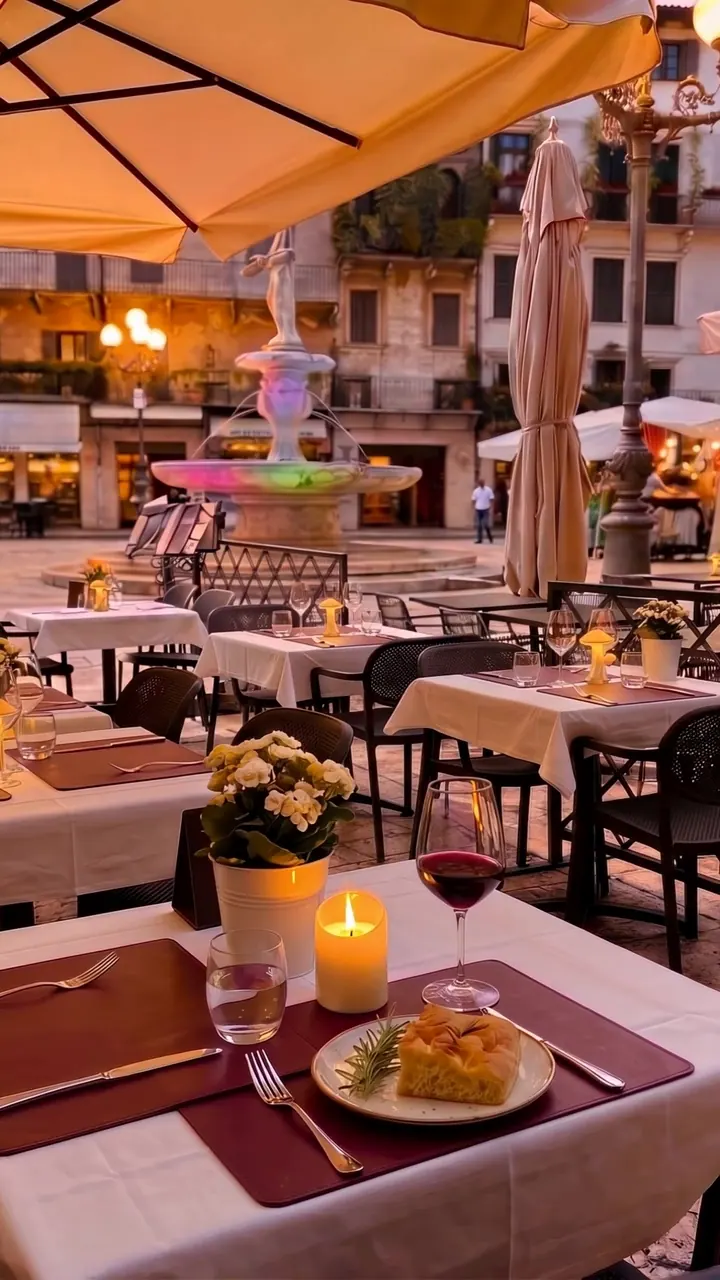
Il Mastino's tables on Piazza delle Erbe, with candles lit – Verona

Dies IV·Memoria

Il Mastino Bistrot

In the heart of the Scaliger city

In 1262 Mastino I della Scala began the rule of the Scaligeri; today his name lights up Piazza delle Erbe. At number 24, facing the Madonna Verona fountain: Veronese cuisine, pizzas, great wines and cocktails.

Fides The mastiff is the faithful guardian of the house. Here, it watches over your evening.

Et vidit quod esset bonum

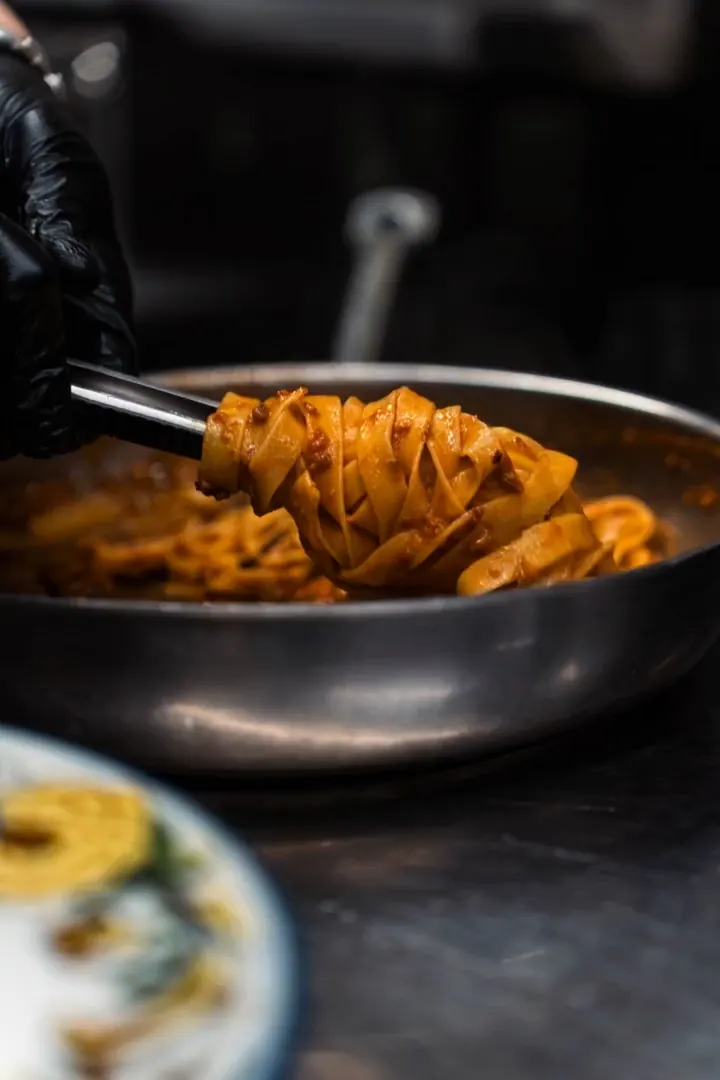
Pappardelle just tossed in the pan – Locanda degli Scaligeri, Verona

Dies V·Hospitium

Locanda degli Scaligeri

Guests of the Scaligeri

More than seven centuries ago the Scaligeri welcomed Dante to their court. A stone's throw from the Arena, in Via Marcantonio Bentegodi, the Locanda carries on that hospitality: grilled meats, Veronese cuisine, wines and good cheer, from morning until late at night.

Hospes In Latin, “hospes” means both guest and host. Here they are the same thing.

Et vidit quod esset bonum

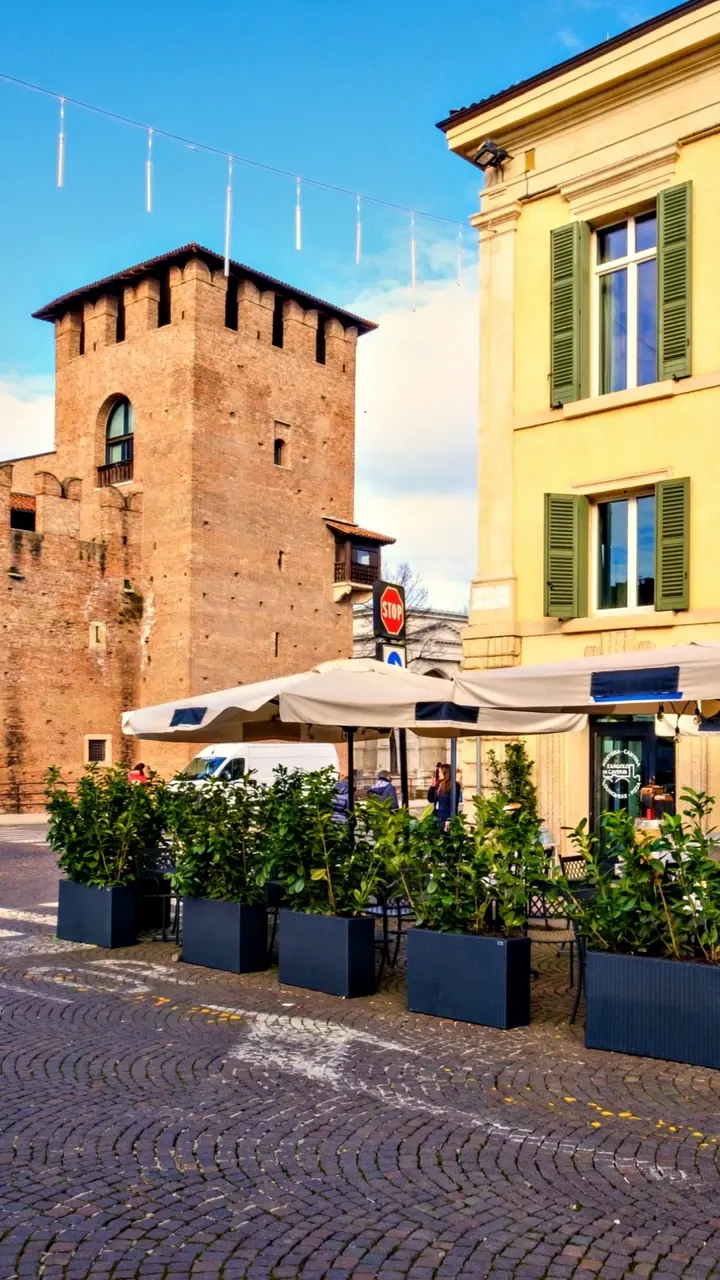
The outdoor terrace of L'Angolo di Cavour, at the corner of the walls of Castelvecchio – Verona

Dies VI·Lux

L'Angolo di Cavour

Verona's living corner

In Via Roma, at the corner of the walls of Castelvecchio, the castle Cangrande II had built in 1354: hosteria, wine bar, lounge bar and pizza, from breakfast in the sun on the terrace to the cocktails of the Serate Cantate.

Lux The sun brushes the walls of Castelvecchio and comes to sit at your table.

Et vidit quod esset bonum

Dies VII·Magnificat

Al Centro Verona

The compass rose, emblem of Al Centro Verona

On the seventh day no new restaurant is born: the union is born. Like the points of the compass rose in our emblem, each restaurant points to a direction of Verona; at the centre lies the whole city, with its history and its table.

Et vidit quod esset bonum

“And He saw that it was good.”

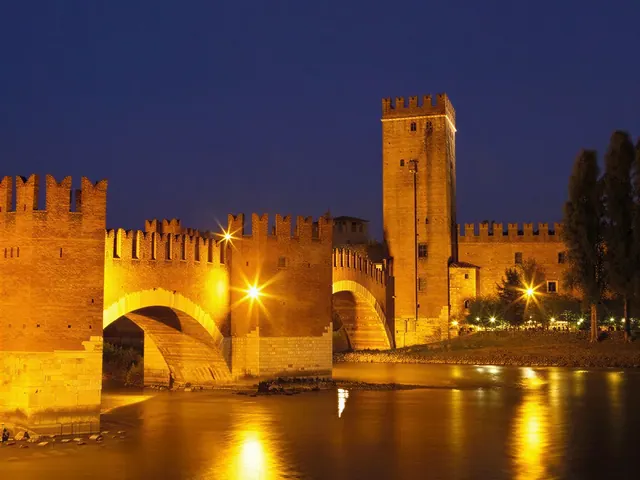
Castelvecchio and the Scaliger Bridge lit up at night, with the golden lights reflected in the Adige

Vidit quod esset bonum

Every evening, when the lights of Castelvecchio are mirrored in the Adige, Verona says it again: it is good.

The five senses and matter

A feast for the eyes,
for the five senses and for matter

In Verona beauty is not only seen: it is heard, breathed, tasted, touched. Six doors into the work.

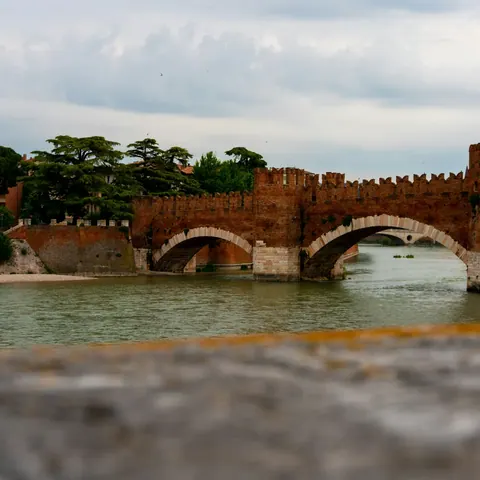
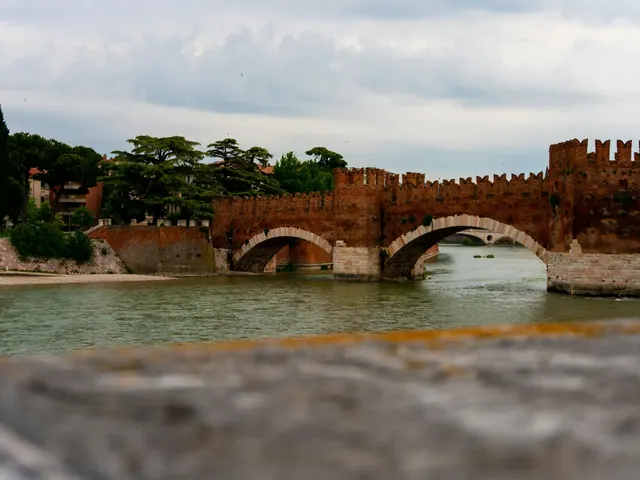
  • The Scaliger Bridge over the Adige, with its red-brick battlements

    Visus

    Sight

    Pink marble at dawn, the gold of Castelvecchio in the evening, the Adige mirroring the towers: Verona is a painting that changes every hour.

  • Auditus

    Hearing

    One theme, the Verona theme, passes from voice to voice: the hang and the harp, the piano and the violin, the cello and the guitar, the clarinet, the tenor saxophone. Then the organ and the orchestra unite them all.

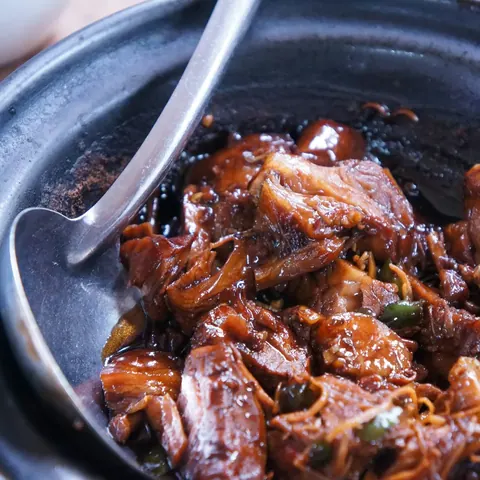
  • A plate of pastissada de caval, the slow-cooked Veronese stew

    Olfactus

    Smell

    The scent of pastissada simmering slowly, of the wood-fired oven, of freshly sliced bread: at the table, memory arrives before the dish.

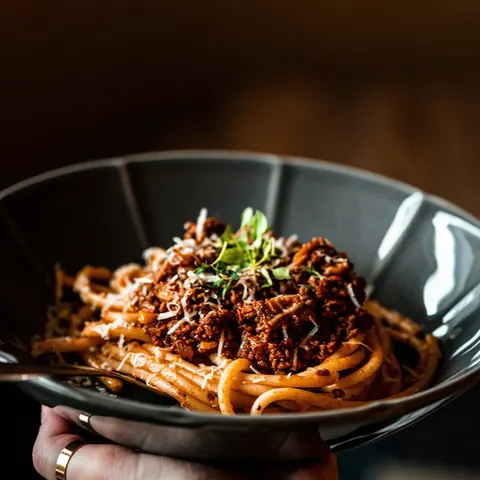
  • A plate of bigoli with ragù, the pasta that symbolises Verona

    Gustus

    Taste

    Bigoli with duck ragù, Amarone risotto, tortelli filled with braised beef, boiled meats with pearà: Veronese cuisine, recipe after recipe.

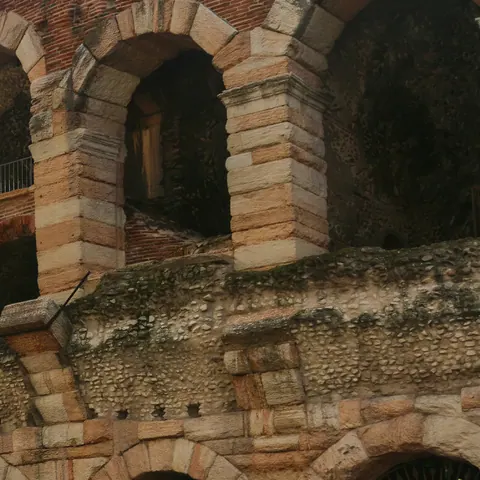
  • The stone arches of the Arena of Verona, worn by time

    Tactus

    Touch

    The stone of the Arena, smoothed by two thousand years of hands; the wood of the tables, the red marble of the counters: Verona can be touched.

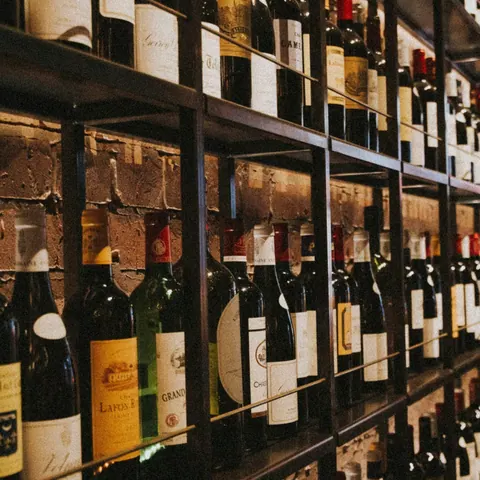
  • Bottles of Amarone and other Valpolicella wines in the cellar

    Materia

    Matter

    Grapes dried on racks, oak barrels, the soil of Valpolicella: the matter the great wines of Verona are made of, from Valpolicella to Amarone.

Verona, World Heritage Site

Verona a few steps
from our tables

Since 2000 the city of Verona has been a UNESCO World Heritage Site. Our restaurants are right there, among its stones: the Arena, Piazza delle Erbe, Juliet's balcony, Castelvecchio and the bridges over the Adige are all a few minutes' walk away.

  • The Arena of Verona, the first-century Roman amphitheatre, with the “Ala” under a blue sky

    The Arena

    The great Roman amphitheatre of the first century, built decades before the Colosseum. The earthquake of 1117 is thought to have brought down almost all of its outer ring, of which the “Ala” remains; since 1913, every summer, it has been the stage for opera under the stars.

    The nearest restaurants: Locanda degli Scaligeri · Hosteria il Punto Rosa · L'Angolo di Cavour

  • Piazza delle Erbe in Verona, with its palaces, towers and market

    Piazza delle Erbe

    It was the forum of Roman Verona, and it is still its heart: the Madonna Verona fountain, the Lamberti Tower, the Casa dei Mercanti, the frescoed palaces and the daily market.

    The nearest restaurants: Il Mastino Bistrot · La Piazzetta

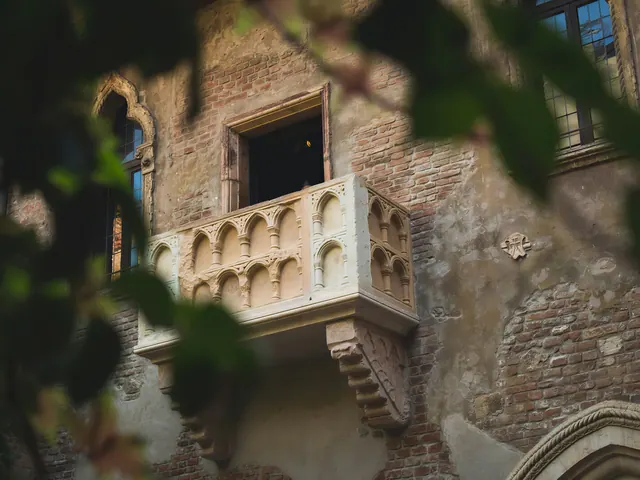
  • The balcony of Juliet's House in Verona

    Juliet's House

    In Via Cappello, the most famous courtyard and balcony in the world: the medieval house that tradition links to Shakespeare's Juliet, visited by lovers from every continent.

    The nearest restaurants: Il Mastino Bistrot · La Piazzetta

  • Castelvecchio lit up at night, reflected in the Adige

    Castelvecchio

    The castle Cangrande II della Scala had built in 1354, with its battlemented bridge over the Adige. Today it is Verona's civic museum, in Carlo Scarpa's celebrated design.

    The nearest restaurants: L'Angolo di Cavour · Hosteria il Punto Rosa

  • Ponte Pietra over the Adige in black and white, under a stormy sky

    Ponte Pietra

    Verona's oldest bridge, dating from Roman times, at the foot of the hill of San Pietro. Blown up in 1945, it was rebuilt with its own stones, recovered from the Adige.

    The nearest restaurants: Il Mastino Bistrot · La Piazzetta

  • The Scaliger Bridge of Castelvecchio over the Adige

    The Scaliger Bridge

    The bridge of Castelvecchio, built by the Scaligeri as the castle's escape route across the Adige. Destroyed in 1945, it was reborn as it was, brick by brick.

    The nearest restaurants: L'Angolo di Cavour · Hosteria il Punto Rosa

The compass rose, emblem of Al Centro Verona
Verona · two thousand years of history
The history

The history of the Veneti
and the Scaligeri

Verona has been a city of encounters for two thousand years: Romans and Goths passed through, the Scaligeri ruled, Venice governed. Our six restaurants live within this history, a few steps from its stones.

  1. The ancient Veneti

    Ancient sources link the origins of Verona to the Raeti and the Euganei, then to the Cenomani Gauls, while to the east flourished the civilisation of the ancient Veneti, who would give their name to an entire land: the Veneto.

  2. The Via Postumia

    The consul Spurius Postumius Albinus lays out the road from Genoa to Aquileia: in Verona it becomes the decumanus maximus, today's Corso Porta Borsari.

  3. Roman Verona

    In 89 BC Verona becomes a Latin colony, in 49 BC a Roman municipium. The forum, heart of the city, is today's Piazza delle Erbe.

  4. The Arena

    Decades before the Colosseum, Verona builds its amphitheatre: it can hold about thirty thousand spectators.

  5. Theodoric of Verona

    The Ostrogothic king Theodoric defeats Odoacer near Verona and makes it one of his residences: Germanic legends will remember him as Dietrich von Bern. His minister Cassiodorus praises the sweet wines of the Veronese hills.

  6. The earthquake

    On 3 January an earthquake shakes Verona: it is thought that almost all of the Arena's outer ring collapsed then, leaving only the “Ala”.

  7. Mastino I della Scala

    Mastino I della Scala becomes captain of the people: the rule of the Scaligeri begins, and they will govern Verona for more than a century.

  8. Cangrande I and Dante

    Under Cangrande I the Scaliger court is among the most splendid in Italy: Dante, exiled from Florence, finds refuge there and celebrates him in the Paradiso.

  9. Castelvecchio

    Cangrande II has the castle and the battlemented bridge over the Adige built: today it is Castelvecchio, the city's civic museum.

  10. The end of the Scaligeri

    On 19 October Antonio della Scala flees Verona: the city passes to the Visconti of Milan.

  11. Venetian Verona

    Verona gives itself to the Republic of Venice: for almost four centuries the lion of Saint Mark watches over the city and the villas of Valpolicella.

  12. The Veronese Easter

    On Easter Monday Verona rises up against the French troops; a few weeks later the Republic of Venice falls.

  13. Italian Verona

    After Austrian rule, Verona becomes part of the Kingdom of Italy.

  14. Opera in the Arena

    For the centenary of Giuseppe Verdi's birth, Aida is staged in the Arena: the Arena's opera festival is born.

  15. Amarone is born

    In the cooperative winery of Negrar, so tradition tells, a forgotten barrel of Recioto becomes the first Amarone.

  16. World Heritage

    The city of Verona is added to the UNESCO World Heritage List.

  17. Al Centro Verona

    Six restaurants of the Trentin family keep this history alive, from the stones of the centre to the vineyards of Valpolicella: every day, at the table.

The Trentin family

Six restaurants,
one family

From the Arena to Piazza delle Erbe, from Castelvecchio to the hills of Negrar: six restaurants, six characters and a single idea of hospitality. They are the restaurants of the Trentin family, open every day, from the first coffee of the morning to the last glass of the night.

  • 6restaurants: five in the centre, one in Valpolicella
  • 7/7open every day
  • 8:30the first coffee, at L'Angolo di Cavour
  • 2:00the last glass, at Il Mastino
The balcony of Juliet's House in Verona, among the leaves

Ad aeterna mundi

Some stories Verona never lets end. We wrote this one to last.

Emotional Web 3.0

A website that lives on the network,
not on a server

Al Centro Verona and the websites of the six restaurants are published on the Internet Computer, a blockchain designed to host websites and applications directly on the network. Three acronyms explain how.

  • IC

    Internet Computer Protocol

    The pages are served by canisters, programs that live on the blockchain and run on a network of independent data centres around the world: the website does not depend on any single server.

  • NNS

    Network Nervous System

    The network is governed by the Network Nervous System, a fully on-chain DAO: anyone who stakes their ICP creates “neurons” and votes on proposals, which, once approved, are executed automatically.

  • ID.AI

    Internet Identity

    To manage the website you sign in with Internet Identity, now ID.AI: no passwords to steal, only your own device's passkeys, with your face, fingerprint or PIN.

Verona's beauty has lasted two thousand years: its story deserves to last too.

Frequently asked questions

Everything you want to know
about our restaurants

Answers to the questions Verona's guests ask us most often.

Which restaurants belong to Al Centro Verona?

There are six, all run by the Trentin family: Hosteria il Punto Rosa, at Via Fratta 12/A; La Piazzetta, at Corte San Giovanni in Foro 4/A; Il Mastino Bistrot, at Piazza Erbe 24; Locanda degli Scaligeri, at Via Marcantonio Bentegodi 7; L'Angolo di Cavour, at Via Roma 34, in front of Castelvecchio; and La Vecchia Rama, at Via Tomenighe di Sotto 6, in Negrar di Valpolicella.

Where to eat near the Arena of Verona?

A few minutes' walk from the Arena you will find Locanda degli Scaligeri, in Via Marcantonio Bentegodi, Hosteria il Punto Rosa, in Via Fratta, and L'Angolo di Cavour, in Via Roma, in front of Castelvecchio. They are open every day, until late in the evening.

Where to eat in Piazza delle Erbe?

Il Mastino Bistrot is at Piazza Erbe 24, with its tables facing the Madonna Verona fountain. La Piazzetta is just a few steps away, in the quiet Corte San Giovanni in Foro, between Corso Porta Borsari and the square.

Where to taste Veronese cuisine and Amarone risotto?

The dishes of the Veronese tradition appear again and again on our menus: Amarone risotto, bigoli with duck ragù, pastissada de caval with polenta, boiled meats with pearà. Each restaurant has its own menu, which you can browse online on its website.

Which restaurants open early in the morning or stay open late?

L'Angolo di Cavour opens at 8:30 am, Il Mastino and La Piazzetta at 9, Locanda degli Scaligeri at 10. In the evening Il Mastino stays open until 2 am; the Locanda, L'Angolo di Cavour and La Piazzetta until 1 am; Punto Rosa until 12:30 am.

Where to eat pizza?

In the historic centre, at L'Angolo di Cavour and Il Mastino; in Valpolicella, at La Vecchia Rama, where light-dough pizza is baked in a wood-fired oven, at lunch too.

How do you get to La Vecchia Rama?

La Vecchia Rama is in San Peretto, in Negrar di Valpolicella, about twelve kilometres from the centre of Verona: some twenty minutes by car. There is a large car park next to the restaurant.

Which restaurants have live music?

L'Angolo di Cavour hosts the Serate Cantate, with live music, karaoke and themed evenings; at La Vecchia Rama, on some evenings, you can dine to live music. For the dates, it is best to ask the restaurant.

How do you book a table?

Each restaurant has its own online booking and its own phone number: choose “Book”, then the restaurant, and complete your request on its official booking system. You can also book by calling the restaurant directly.

Who is behind Al Centro Verona?

The Trentin family, who run six restaurants in Verona and Valpolicella. Al Centro Verona brings them together in a single story: the history of the city, the places to see and, for each restaurant, its website, menu and booking.

Why is the website on the Internet Computer?

Because a story like this deserves to last. On the Internet Computer the website lives on a network of independent computers and does not depend on any single server; the network is governed by the DAO of the Network Nervous System, and the website is managed with Internet Identity (ID.AI), without passwords.


Follow us on Instagram

Six profiles, one Verona

Magnificat

Six voices, one song: the soul of Verona awaits you at the table.

Book

Choose your restaurant,
Verona awaits you

Each restaurant has its own online booking, its own menu and its own phone number. Choose where to begin: the table will tell you the rest.

On which day does your Verona begin?

Where would you like to book?Which restaurant would you like to call?Where would you like to go?Which menu would you like to browse?